2026 EXIT CANBERRA CONFERENCE
21 - 22 September
Remembering ROTI
Looking Back on 30 Years of VE Activism
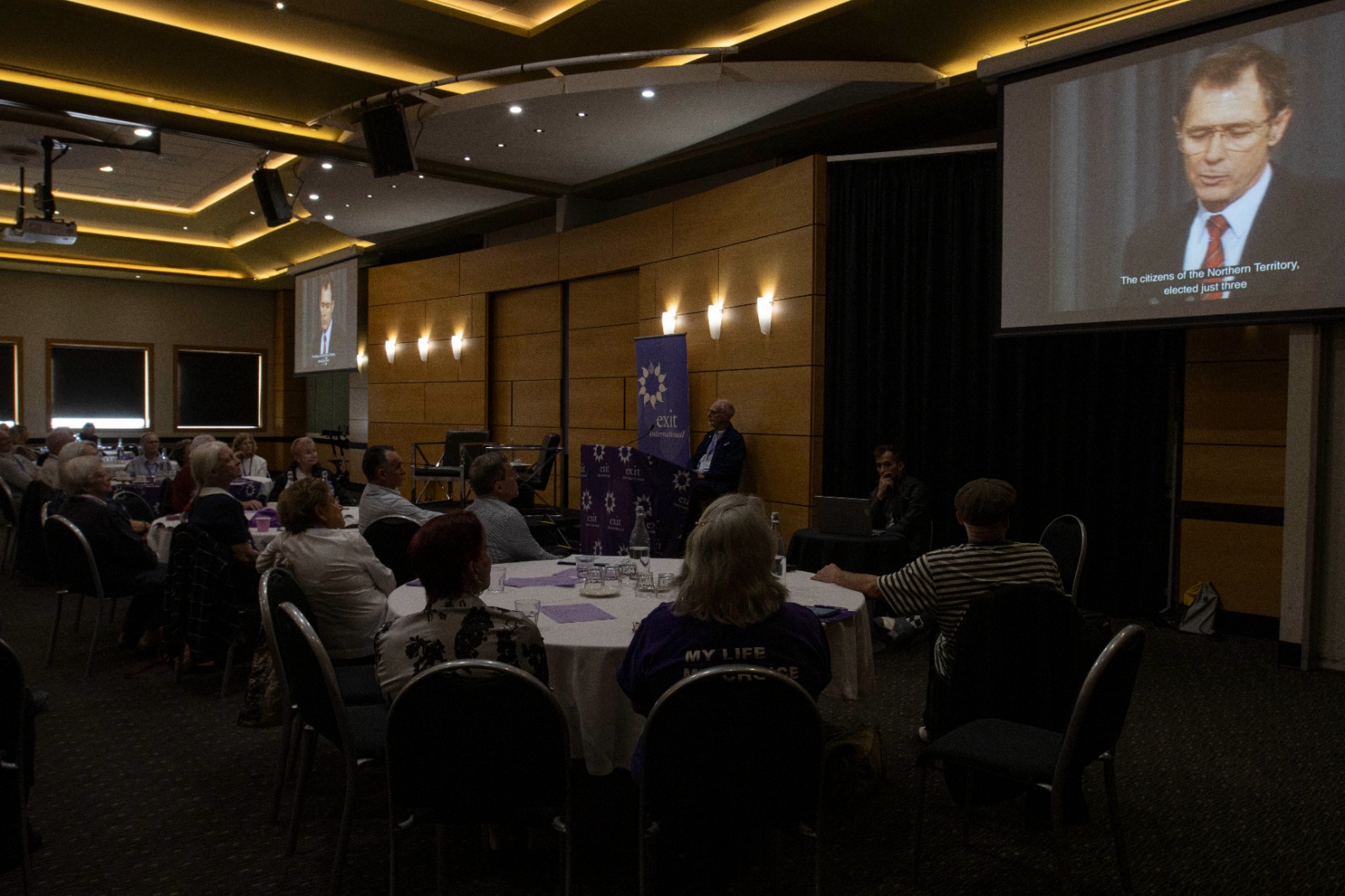
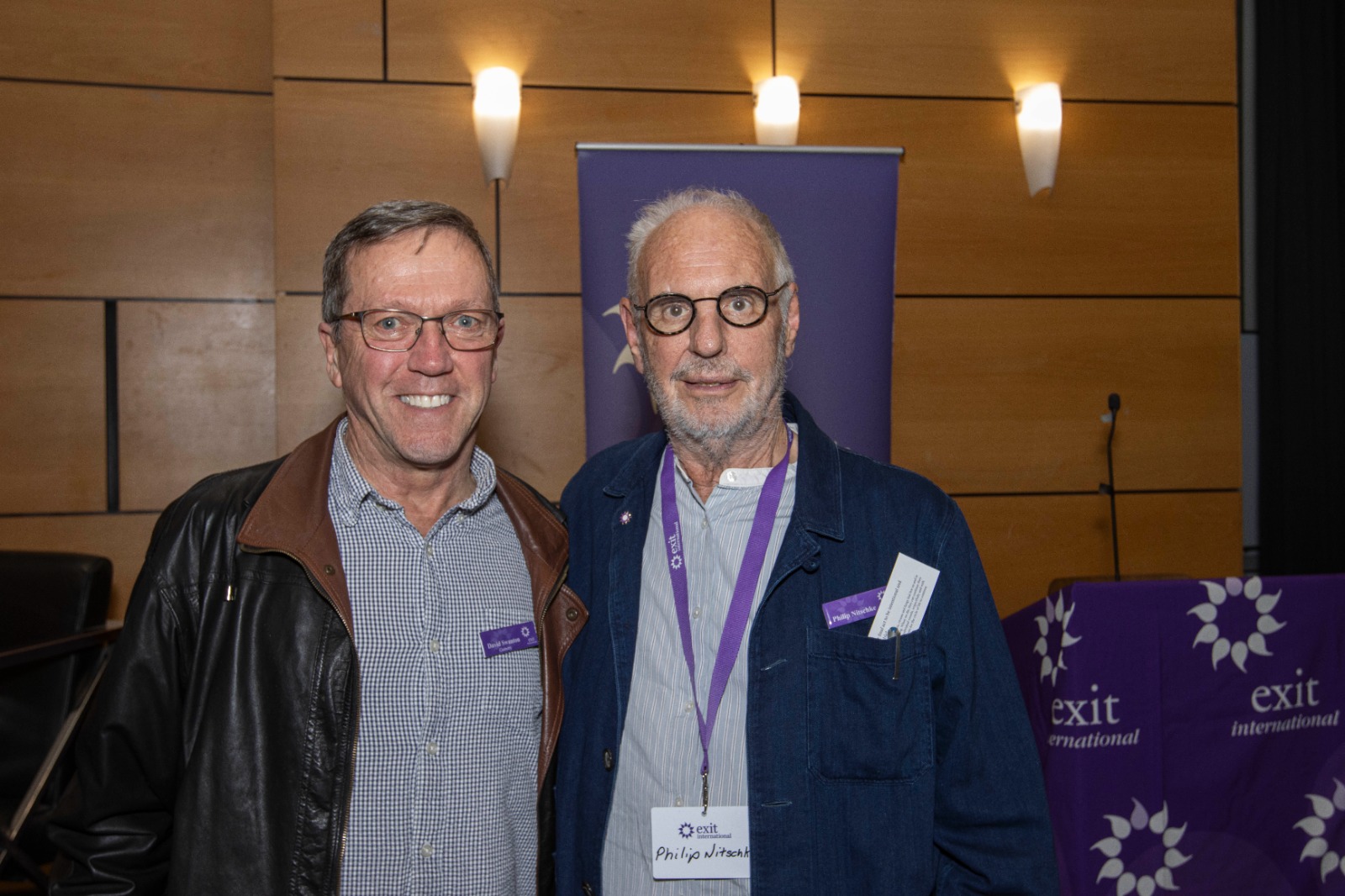
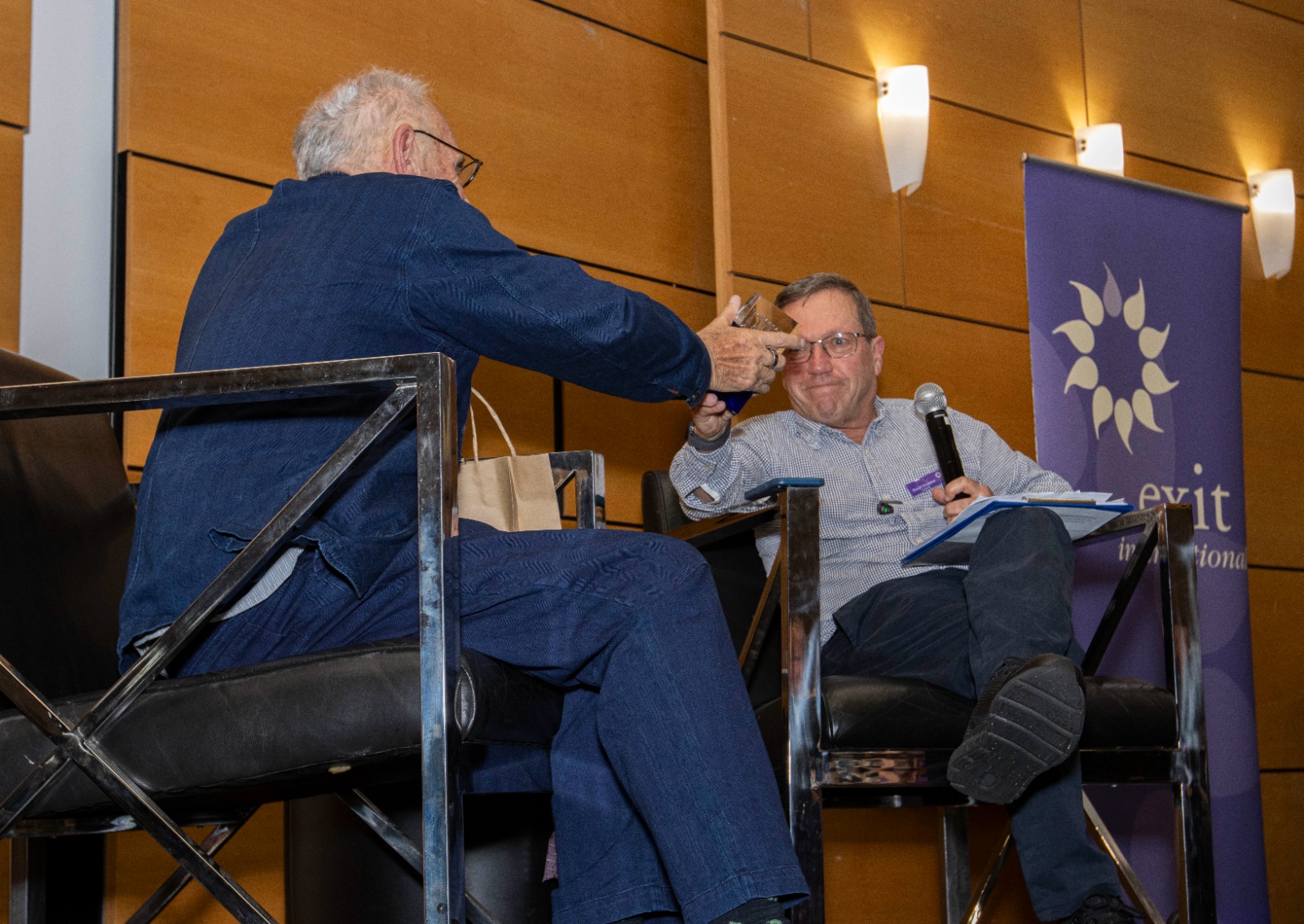
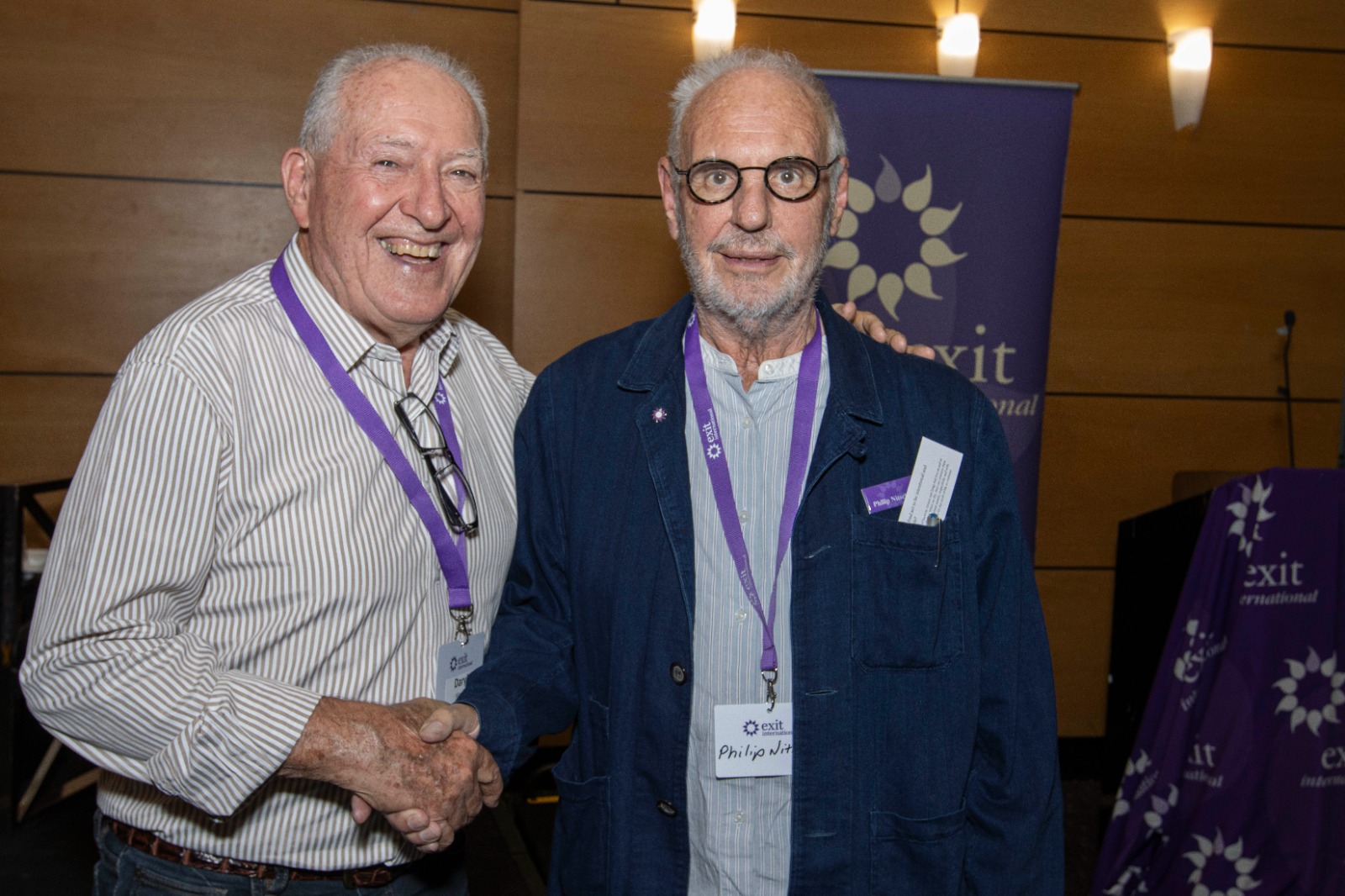
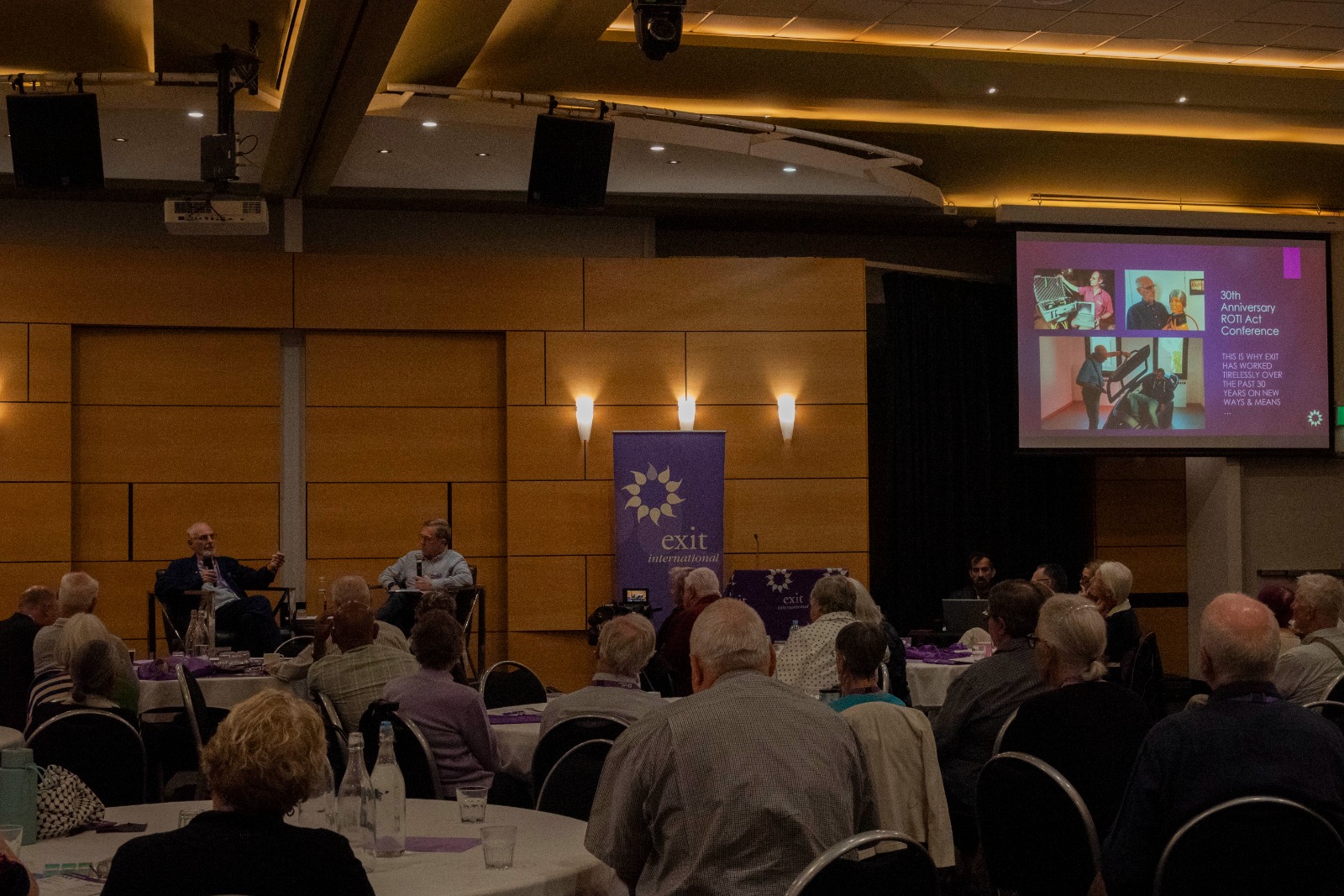
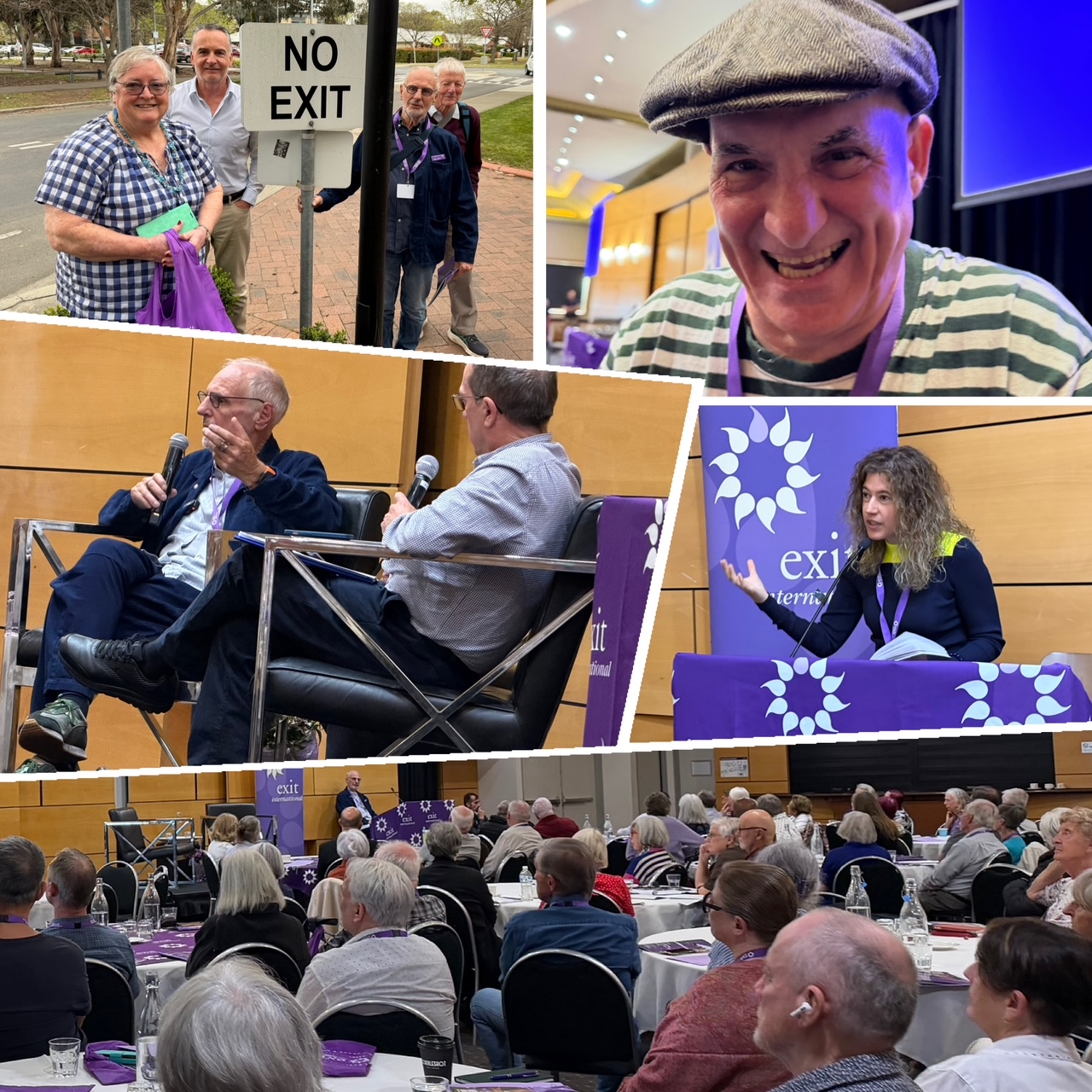
Background to the Conference
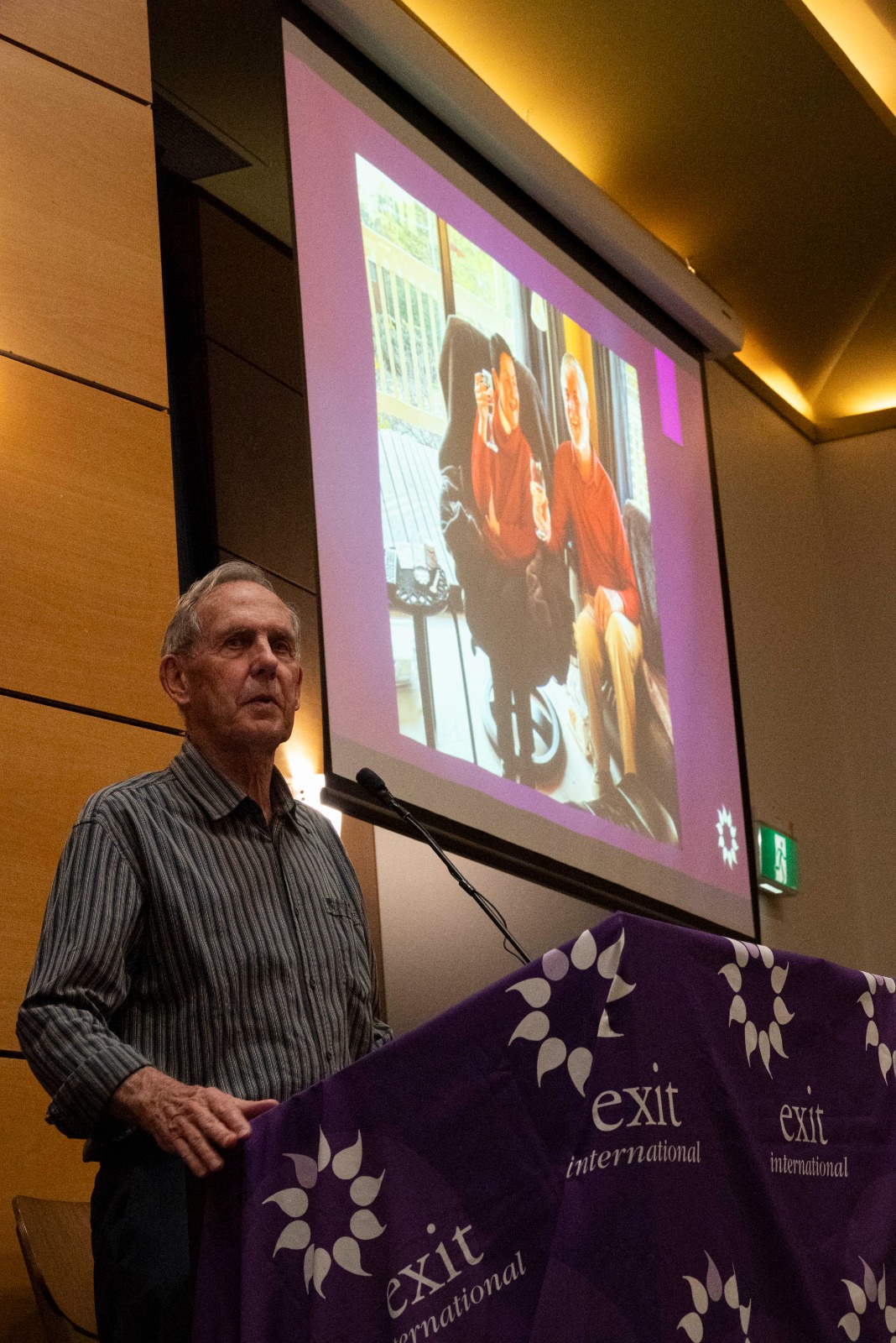
Thirty years ago this year, the Northern Territory of Australia made history when prostate cancer sufferer, Bob Dent, became the first person in the world to receive a legal, lethal voluntary injection.
The Northern Territory was first because the Netherlands had not yet passed a law. Oregon’s Death with Dignity Act was tied up in legal action and had not yet been implemented.
This made the Northern Territory’s Rights of the Terminally Ill Act the first operating law to allow a person who was terminally ill to get medical help to die.
Politics at Play
Sadly, the Rights of the Terminally Ill Act lasted only 9 months before it was overturned by a conscience vote in the Australian Parliament. ROTI was a law before its time.
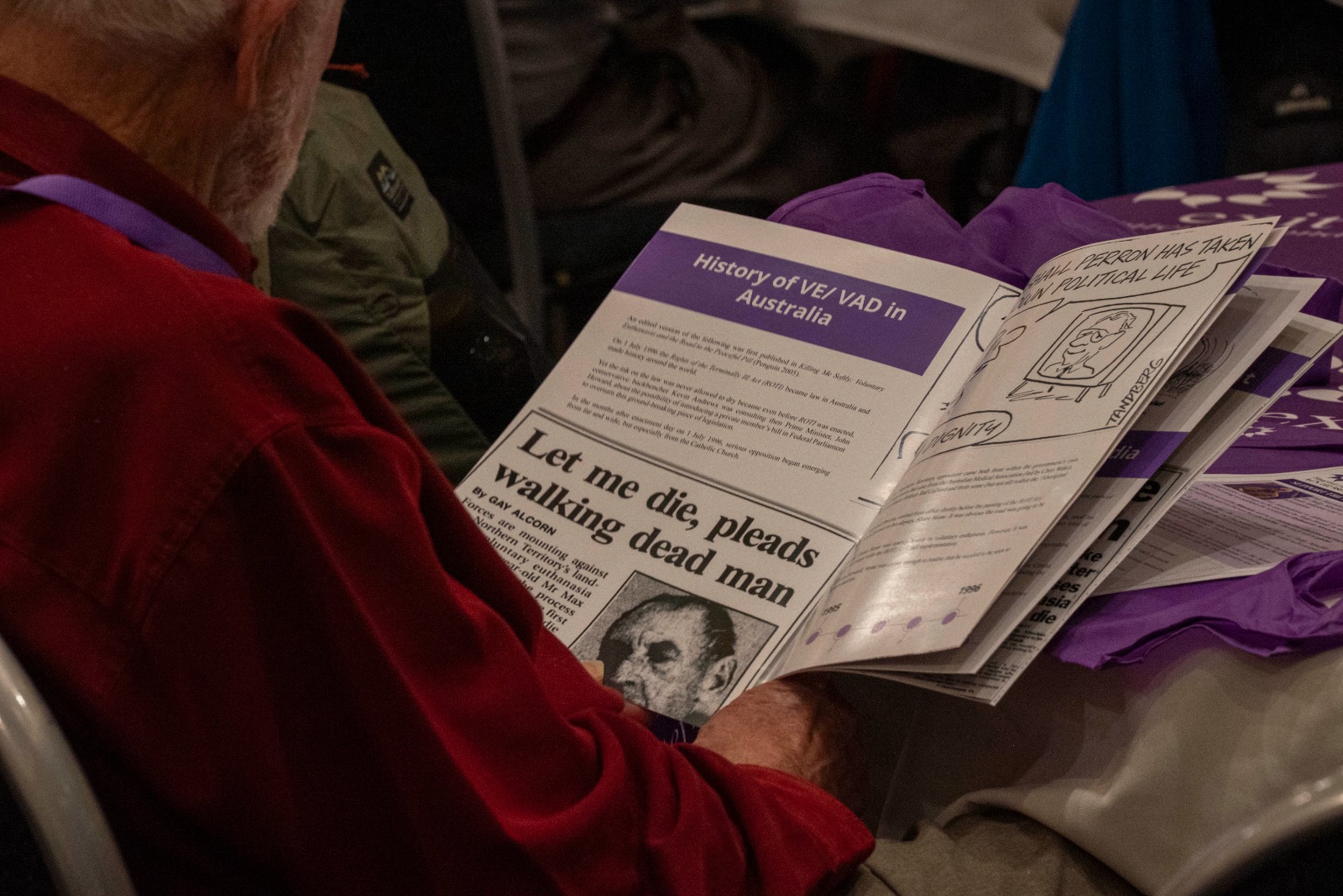
The vote came about following dirty, backroom politics by members of Parliament on both sides of the aisle. A recap of this history can be read HERE
Chief opponents of ROTI included Kevin Andrews (Menzies, Victoria) and Tony Burke who was then the president of Young Labor and the director of the ‘Euthanasia No’ lobby group.
At the time Kevin Andrews boasted that his private members’ bill would set the voluntary euthanasia movement back 20 years. He was not wrong.
Fast Forward to Today
Thirty years later and the Northen Territory is the last jurisdiction in Australia to pass a right to die law. From leading the world, this special part of Australia is now – ironically – the laggard.
Over the past 30 years multiple countries in Europe, many states of the US (and all states of Australia), as well as countries such as New Zealand and Canada have passed end of life laws.
Why is the Conference in September?
On 22 September 1996, Bob Dent died quietly in the arms of his wife Judy. Bob used the ‘Deliverance Machine’ which had been built by Dr Philip Nitschke to deliver an injection (infusion) that would end his suffering. This iconic machine can now be found in the British Science Museum in London.
Exit’s 30th Anniversary Conference commemorates this historic day.
Canberra Program
This 30th Anniversary conference is unapologetically nostalgic in focus. The multimedia program is intended to provide an inspiring, yet critical, appraisal of the history of Voluntary Euthanasia in Australia: from people who were there. The conference will consider what happened and the lessons we can bring forward. The critical question asked at the conference is ‘what is the future of dignified dying?’
Joining us in Canberra are...
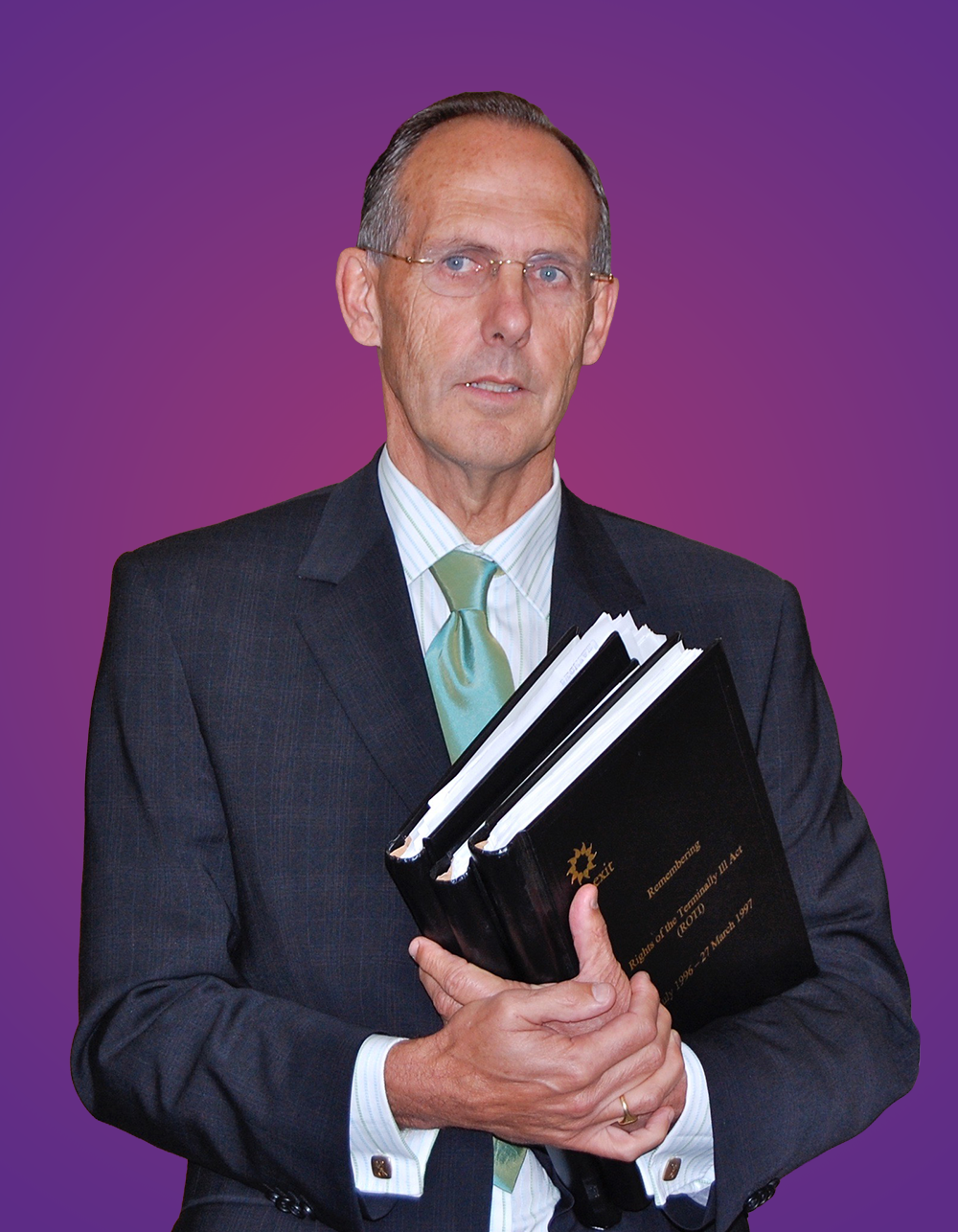
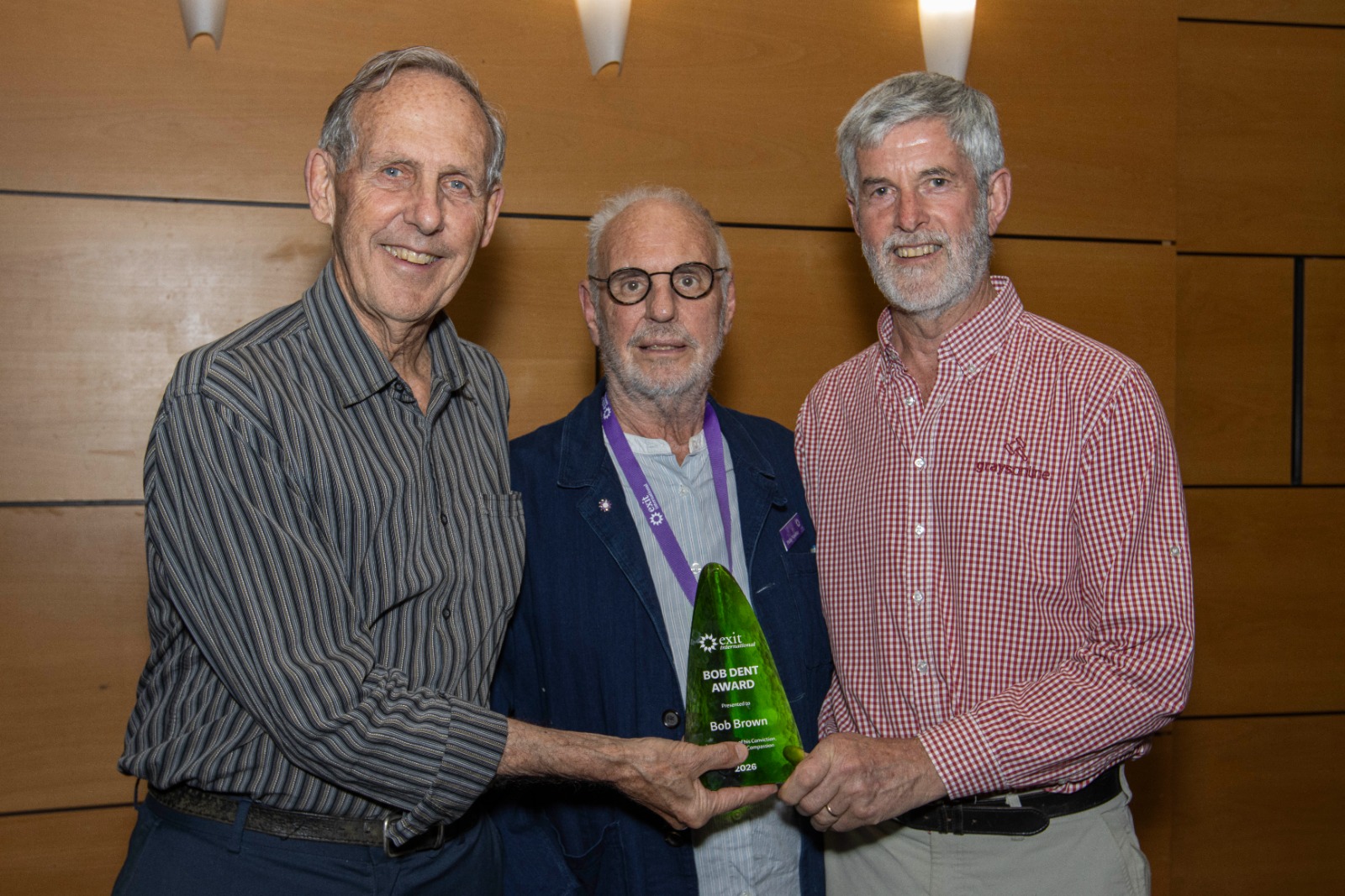
Bob Brown
Former Australian Greens Senator & Social Justice Activist
Born in 1944, Bob Brown is a strong supporter of a person’s right to die with dignity. Bob is a founder of the Australian Greens and served three terms as Tasmanian Senator and the Parliamentary Leader of the Australian Greens in the Federal Parliament of Australia. Dr Brown has a history of social activism on many issues beyond his passion for the environment (eg. nuclear free, gay law reform and freedom of information). Both inside and outside Parliament, Bob has always been an outspoken pro-choice political voice. Bob did what he could to help (unsucessfully) a fifth person to use the ROTI Act immediately prior to the passing of the Euthanasia Laws Act.

Daryl Manzie
Former NT Attorney General & Host @ Territory FM
Born in 1946, Daryl Manzie served almost two decades in the NT Parliament as the member for the seat of Sanderson. During this time, he held a vast range of ministerial portfolios in no less than five different Country Liberal Party governments, including 10 years as Attorney General. Before entering politics, Daryl served 15 years with the NT Police. After retiring from politics, Daryl became the ‘voice of the territory’ through his morning show on community radio station Territory FM at Charles Darwin University. As such, Daryl is a household name throughout the Top End and is a much-loved son of the Territory. Needless to say, Daryl voted for the Rights of Terminally Ill Act in 1995 and has spoken out on end of life rights ever since. Daryl holds an honorary doctorate from CDU and is a Member of the Order of Australia.
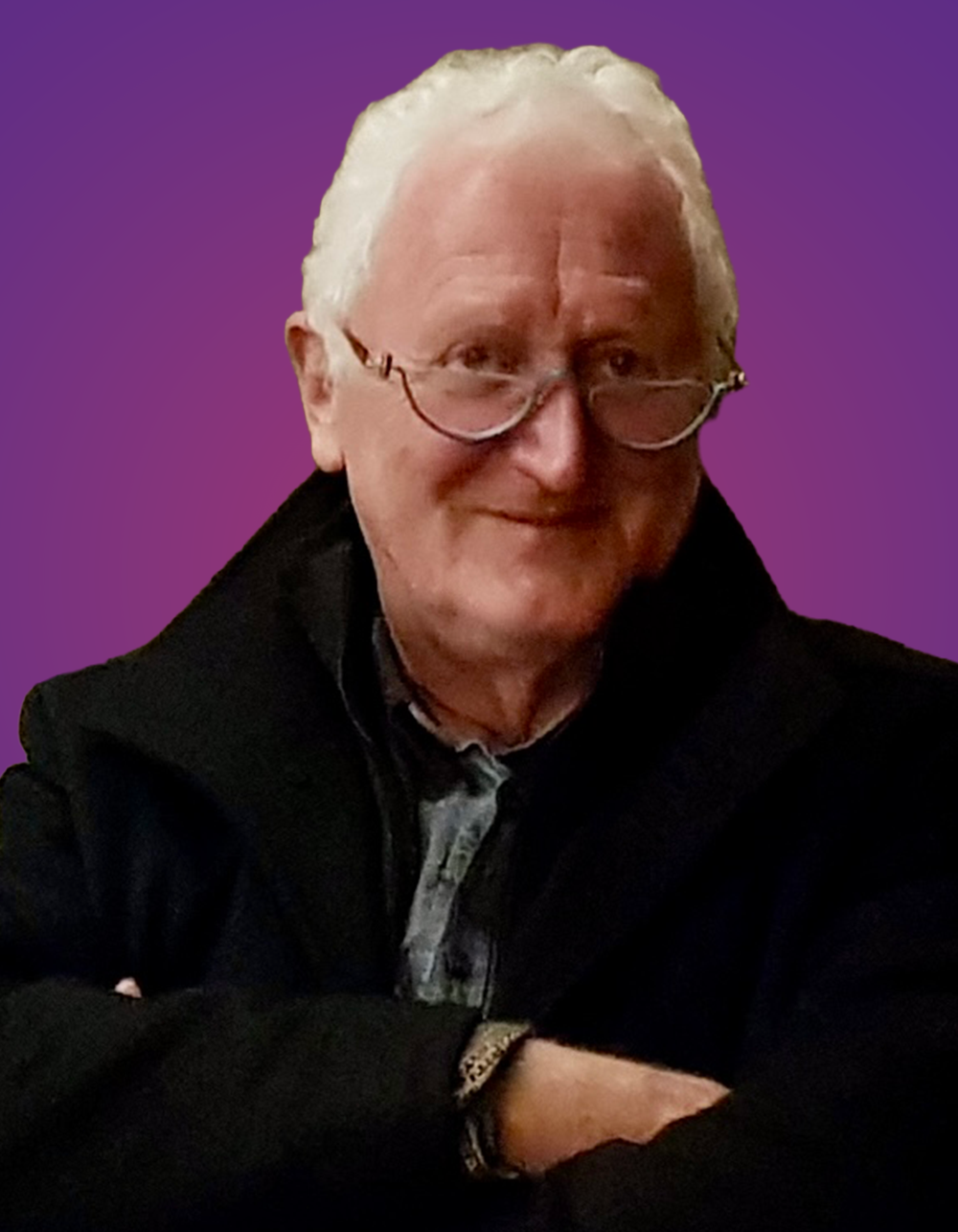
Murray McLaughlin
Journalist & Producer of ‘Road to Nowhere’ (ABC 4 Corners)
Murray McLaughlin worked as a journalist for five decades in newspapers, magazines, radio and television in New Zealand, Hong Kong and Australia. In 1996, Murray travelled to Darwin to report on the introduction of the Northern Territory’s Rights of the Terminally Ill Act for the ABC’s flagship, 4 Corners Program. He returned some months later to report on the aftermath of the overturning of the Law.
After a long career at the ABC, the last 15 years based in Darwin, McLaughlin worked at the Northern Land Council. His final position was as manager of policy and communications. In 2019 moved to Canberra to take up the position as advisor to Patrick Dodson, the Labor Senator for Western Australia for five years. In his retirement, McLaughlin has written a book about the Northern Territory’s political and legal history and its impact on the Territory’s Aboriginal population. The book is to be published by Wakefield Press (Adelaide).
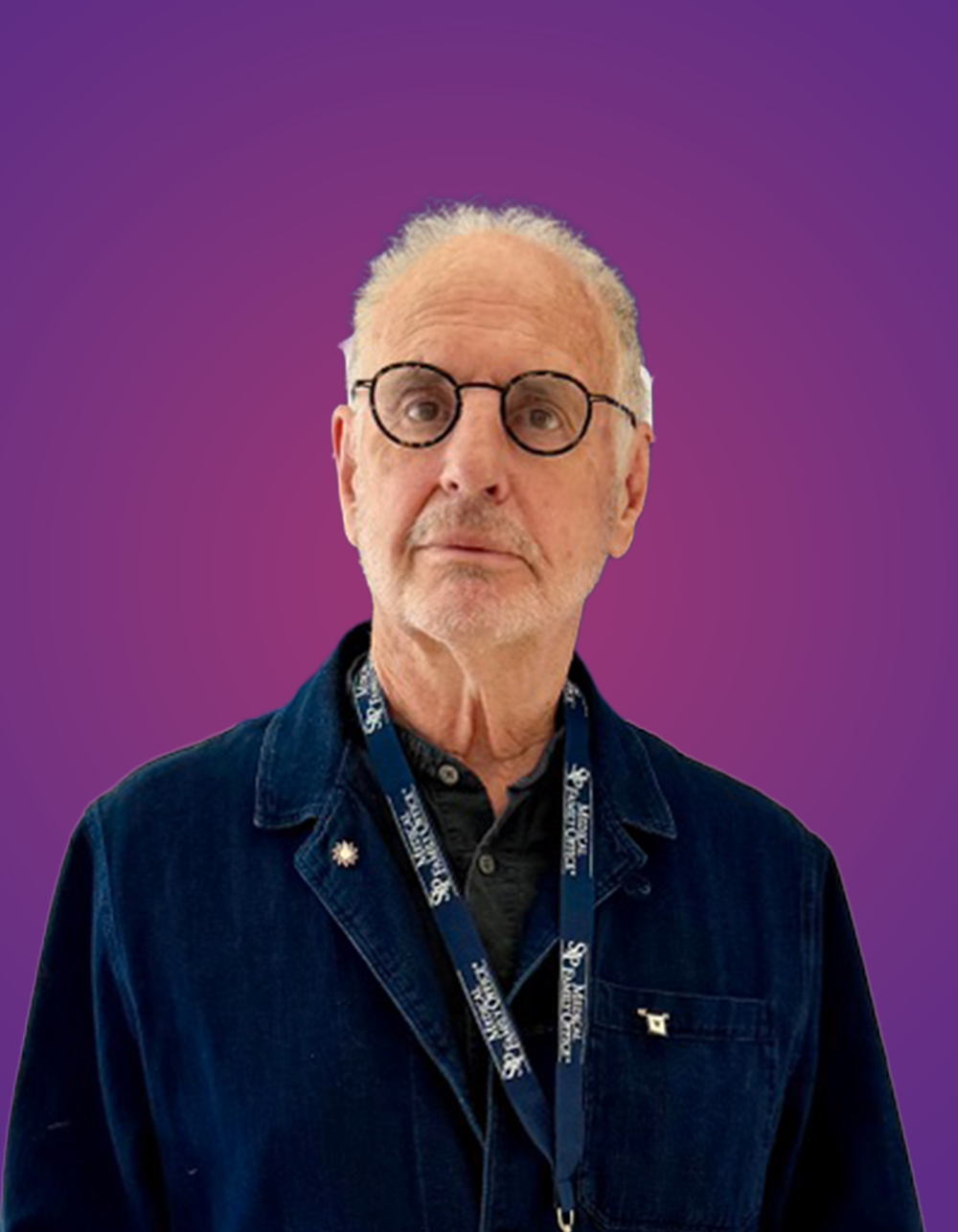
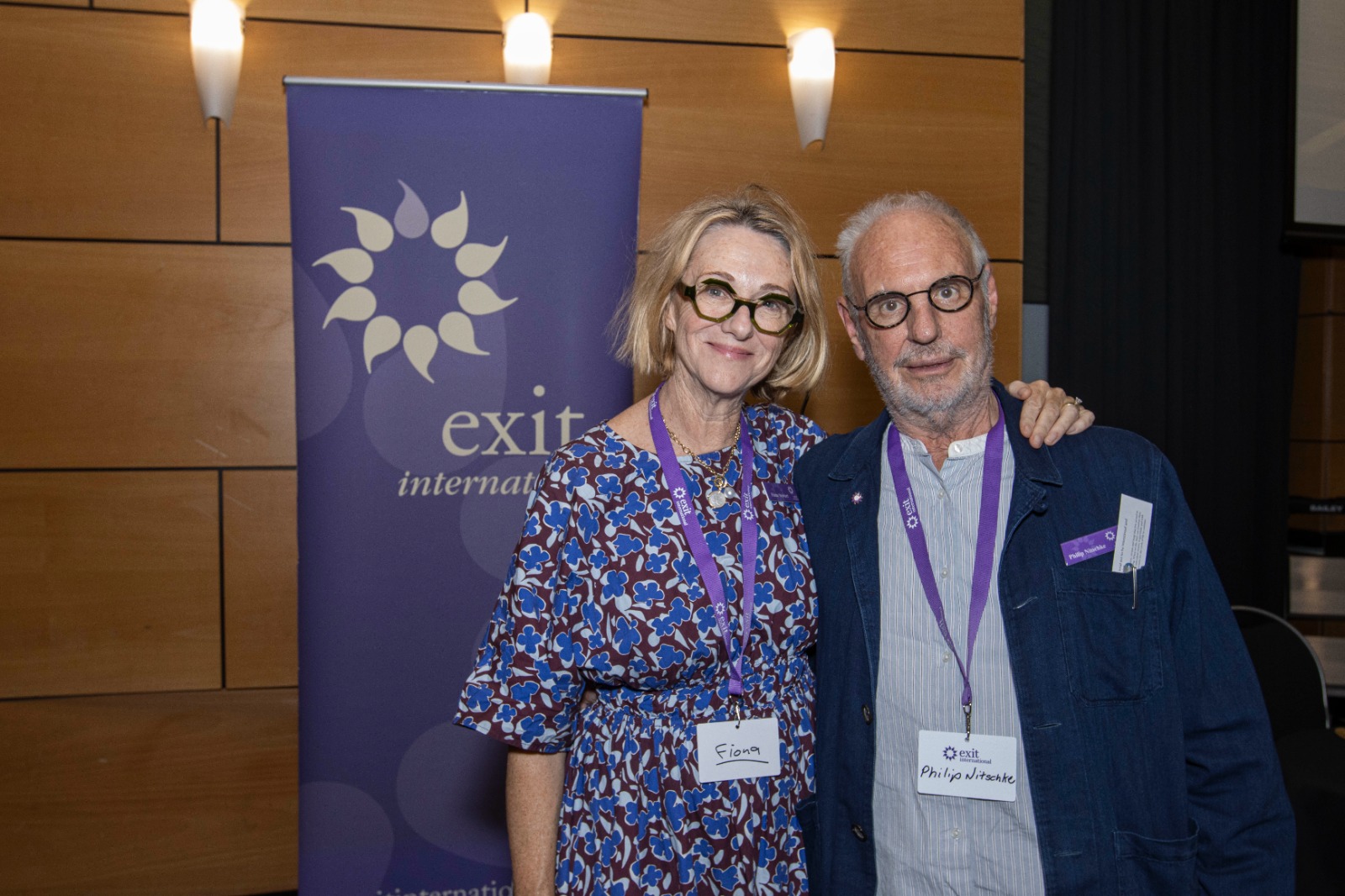
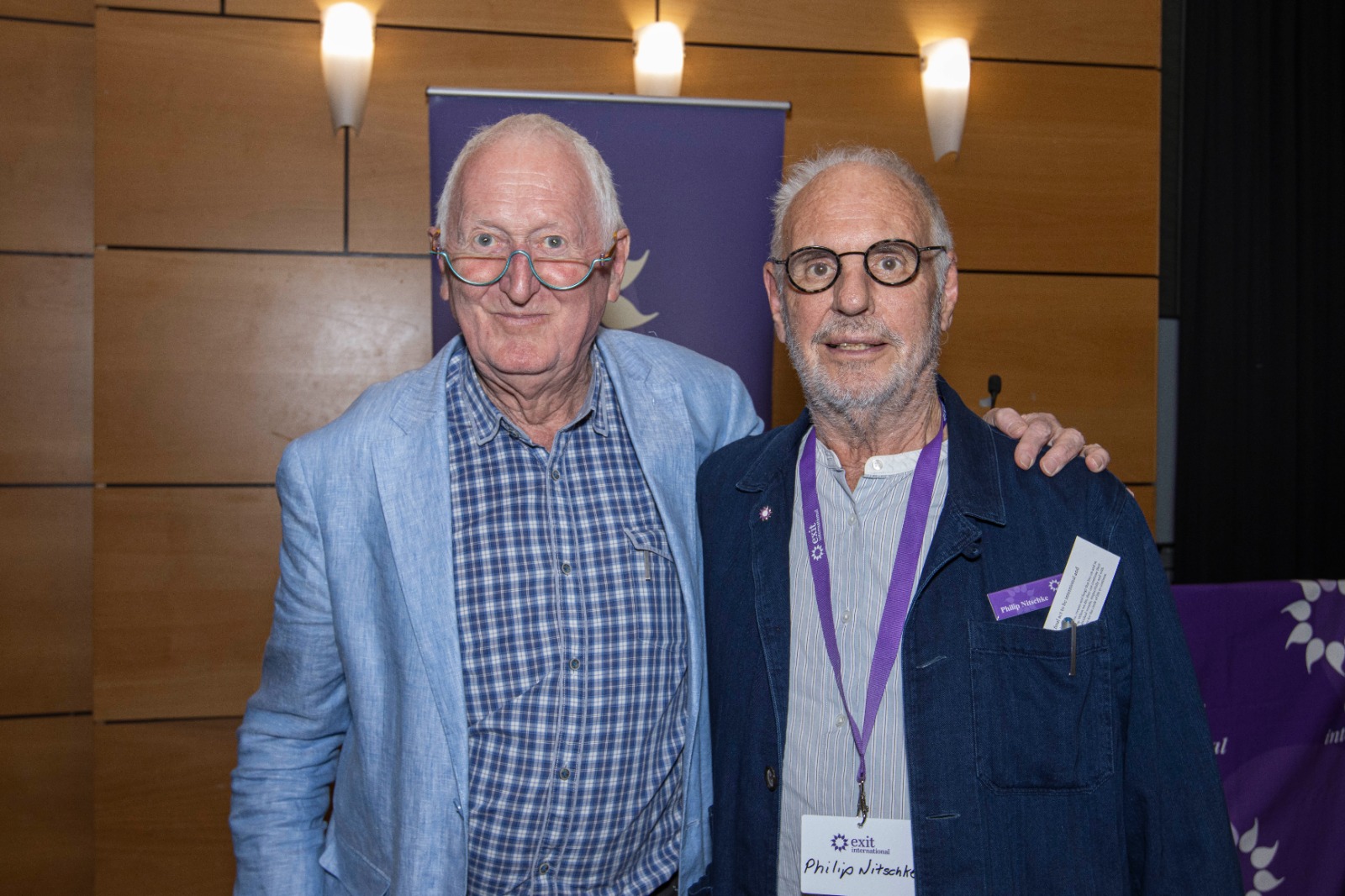
Philip Nitschke
Founder of Exit International
Born in 1947, Philip is the founder and director of Exit International. From rural South Australia, he attended Adelaide and Flinders University, graduating with a doctorate in experimental physics in 1972. Not long after, he rejected a career in the sciences and headed to the Northern Territory to work with Vincent Lingiari at Wave Hill station during the time of the Gurindji ‘walk off’.
Philip has a long history of social activism on issues ranging from the Vietnam moratorium to opposing US bases in Central Australia and anti-nuclear. However, it has been voluntary euthanasia / assisted suicide that has been Philip’s life’s work. He says that this is a cause that he 'fell into', owing to being in the right place at the right time.
Philip is the inventor of devices such as the Deliverance Machine and the Sarco. He is the author of several books including: Killing Me Softly: Voluntary Euthanasia & the Road to the Peaceful Pill, the Peaceful Pill Handbook and his autobiography Damned if I Do (with Peter Corris). Philip lives in the Netherlands
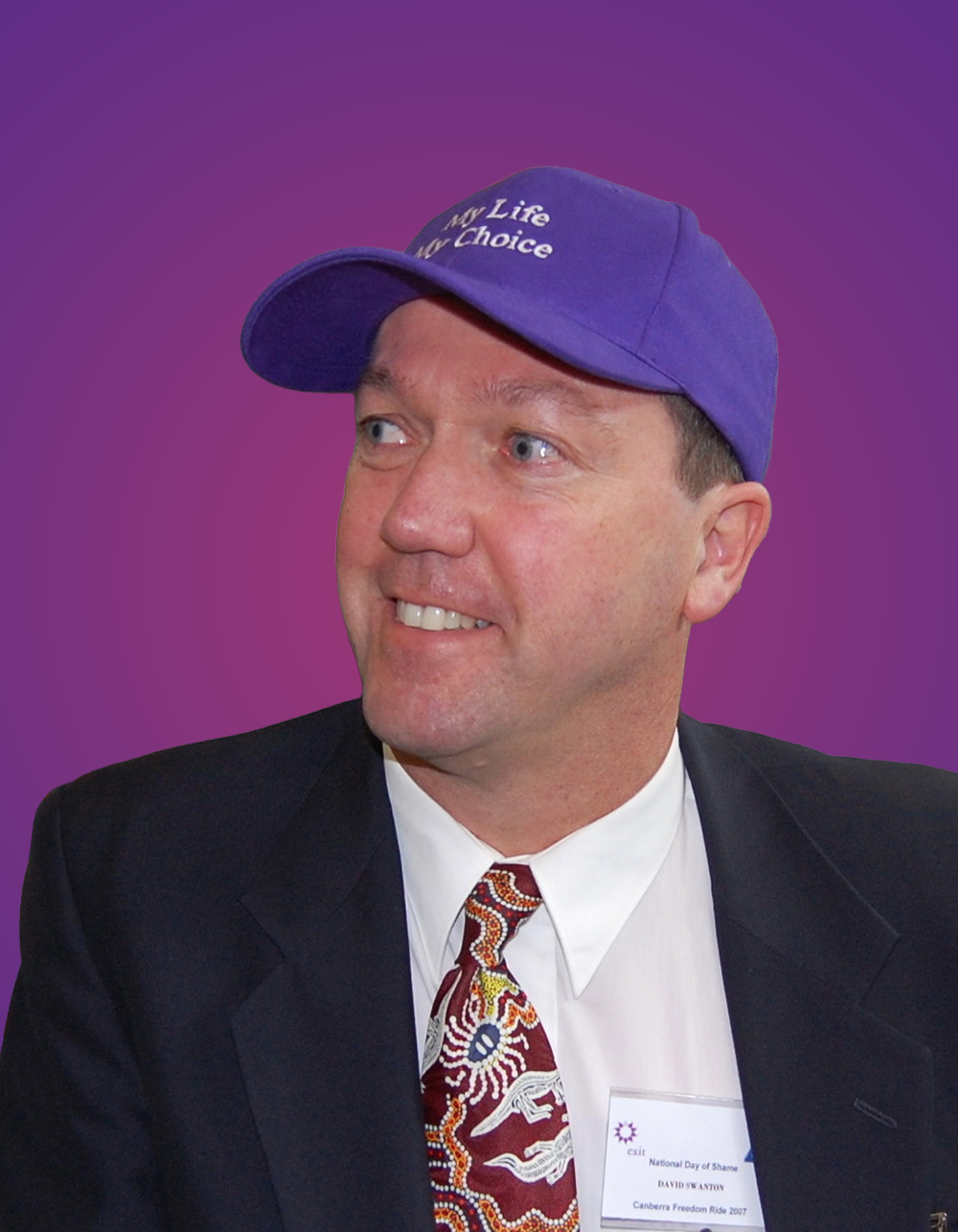
David Swanton
Exit Canberra Chapter Coordinator & Voluntary Assisted Dying Campaigner
Born in 1959, David Swanton attended Sydney University and gained a doctorate in chemistry before a long career in academia and the Australian public service. David has been active in voluntary euthanasia issues for over 30 years: more recently advocating for a well-being and autonomy-respecting legislative regime in his home territory, the ACT. David has led the Exit group in Canberra for over 20 years. In his retirement, Dr Swanton undertook a global survey of voluntary euthanasia advocates around the world. He is now busy completing his new book on critical thinking and moral philosophy.
Multi Media
Joe Dolce
Singer, Songwriter, Poet and Essayist
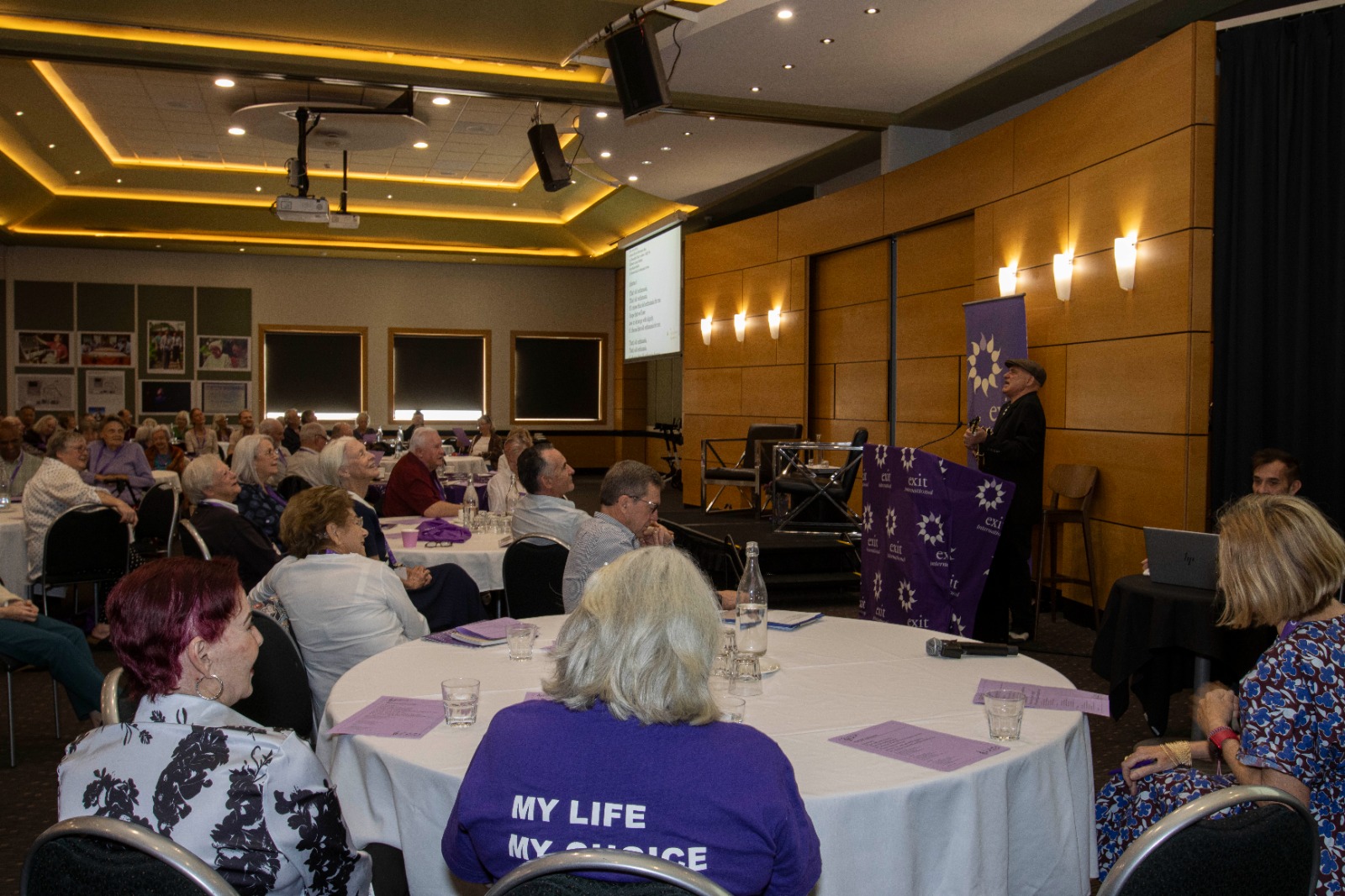
Born in 1947 Joe Dolce achieved international recognition with his multi-million-selling novelty song “Shaddap You Face”, released worldwide under the name of his one-man show, Joe Dolce Music Theatre, in 1980–1981.The single reached number one in 15 countries and continues to be the most successful Australian-produced single worldwide, selling an estimated six million copies. Exit is honoured that Joe has penned a special song for the opening of our 30th anniversary conference.
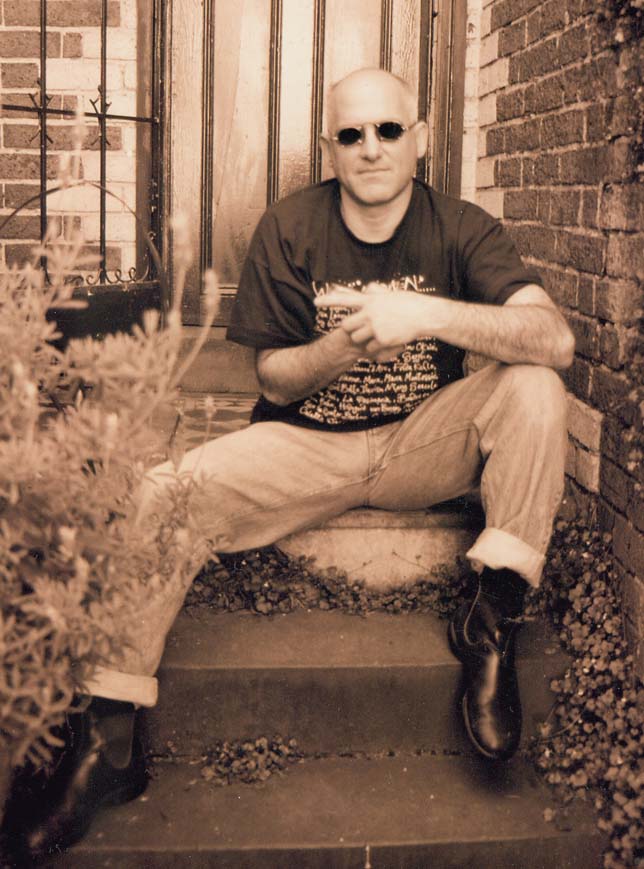

Analeine Cal y Mayor
Mexican Film Director and Writer
Analeine Cal y Mayor was born in Mexico City in 1979. A dual Mexican/ Spanish national, she got her first big break directing the Hollywood feature The Boy Who Smells Like Fish (with Zöe Kravitz and Carrie Ann Moss).
This film premiered at the Miami Film Festival (and in Guadalajara) in 2013, winning ‘best script’ at the Los Angeles WIFTS Visionary Awards (Women International Film and
Television Showcase).
Her other film features include The Voice of a Dream, Where Birds go to Die and Book of
Love, (starring Sam Claflin) which won ‘Best Prime Time Feature’ at the Imagen Awards (Los Angeles) in 2022.
Analeine has directed more than ten TV series from streaming companies such as Netflix and Prime. Her scripts have won numerous awards including Fundación Carolina, Fundación Toscano Sundance Lab and Fonca Jóvenes Creadores among others.
Sweet Death is Analeine’s first feature documentary and is co-produced by actor Viggo Mortensen.
After opening in cinemas in Mexico, Sweet Death won the ‘best feature documentary’ award at both the Ierapetra International Film Festival and Montreal Women Film Festival (both in 2025). The same year the film won ‘Best Script’ at the 22nd Barcelona Human Rights Festival. And in 2026, Sweet Death won ‘best feature documentary’ at the Life Beyond Film Festival in Turin, Italy.
Sweet Death documents the plight of British octogenarian, Kathy, who travels to Tijuana to purchase lethal drugs. Haunted by her own mother’s death from dementia, Kathy wants to plan ahead. Interwoven into Kathy’s epic trip to Mexico is Philip Nitshcke’s debut as a stand-up comedian at the Edinburgh Fringe. Temporarily stripped of his medical license, Philip contemplates a new career as a comedian. His evolving relationship with Kathy makes for beautiful cinema.
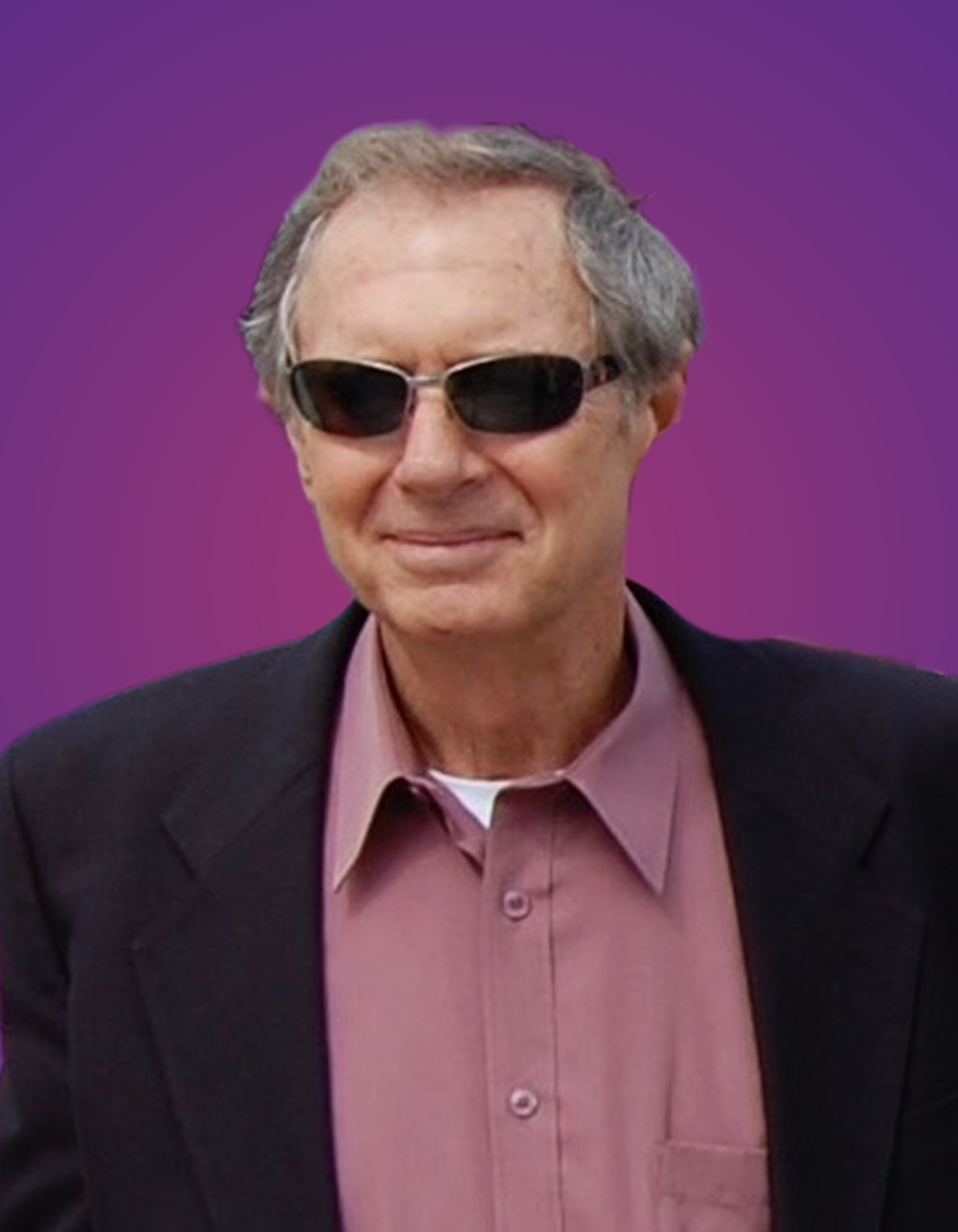
Marshall Perron (presentation only)
Former Chief Minister of the NT & Architect of the ROTI Act
Born in 1942, Marshall Perron was a founding member of the Legislative Assembly of the Northern Territory and was Chief Minister of the Northern Territory from 1988 – 1995. Perron resigned from Parliament on the eve of the passing of the Rights of the Terminally Ill Act.
Marshall represented the divisions of Stuart Park and Fannie Bay for the Country Liberal Party. As a legendary Northern Territory politician, Perron is remembered as straight-talking and charismatic. His political/ professional legacy is, without doubt, the world’s first dying with dignity law.
A recent ABC Late Night Live interview with Marshall Perron.
Program
DAY 1
8.30
Registrations Open
9.30 - 10
Conference Opening with Joe Dolce
10 – 11
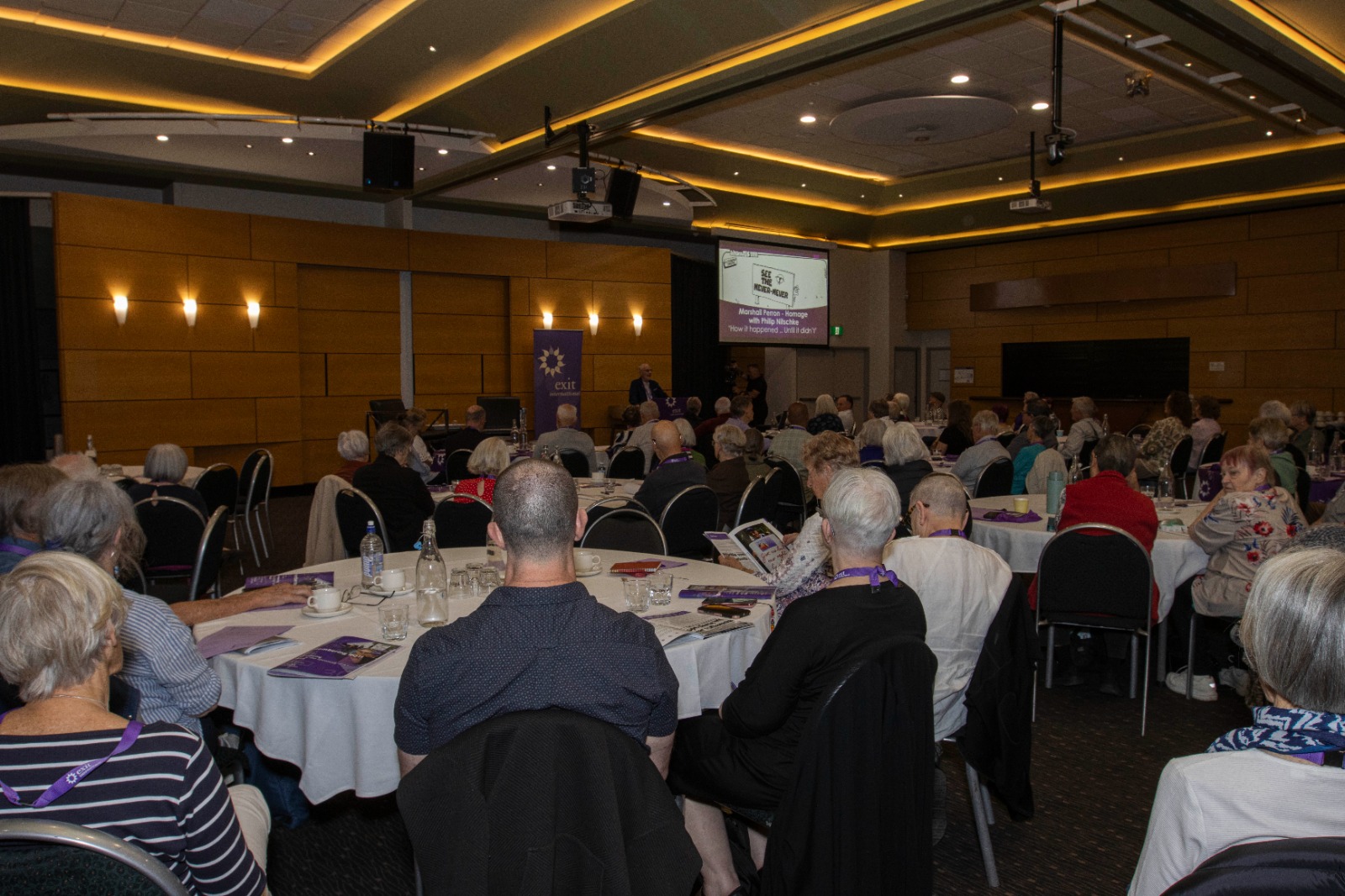
Marshall Perron Homage with Philip Nitschke
How it happened … until it didn’t
11 – 11.30
Morning tea
11.30 – 12.30
Daryl Manzie
Reflections on the coming & going of the Rights of the Terminally Ill Act
12.30 – 1.30
Lunch
1.30 – 2.45
Murray McLaughlin
Reflections from Darwin following Max Bell’s ‘Road to Nowhere’
2.45 – 3.15pm
Afternoon Tea
3.15-4.15
Bob Brown
Reflections from Canberra of a Law in Turmoil
4.15 – 5
David Swanton in conversation with Philip Nitschke
The Road Ahead – Next 30 Years
5
Join us for a Glass of Bubbles & Awards ...
DAY 2
9.15 - 10
Coffee & Chat
Audience Open Plenary hosted by David Swanton
10
Screening of Sweet Death with Introduction by Director, Analeine Cal y Mayor (Mexico)
Duration: 79 minutes
Audience Q&A – Analeine Cal y Mayor and Philip
12:30
Conference close
Lunch
Conference Location
Ainslie FC
52 Wakefield Ave
Ainslie ACT
Accomodation
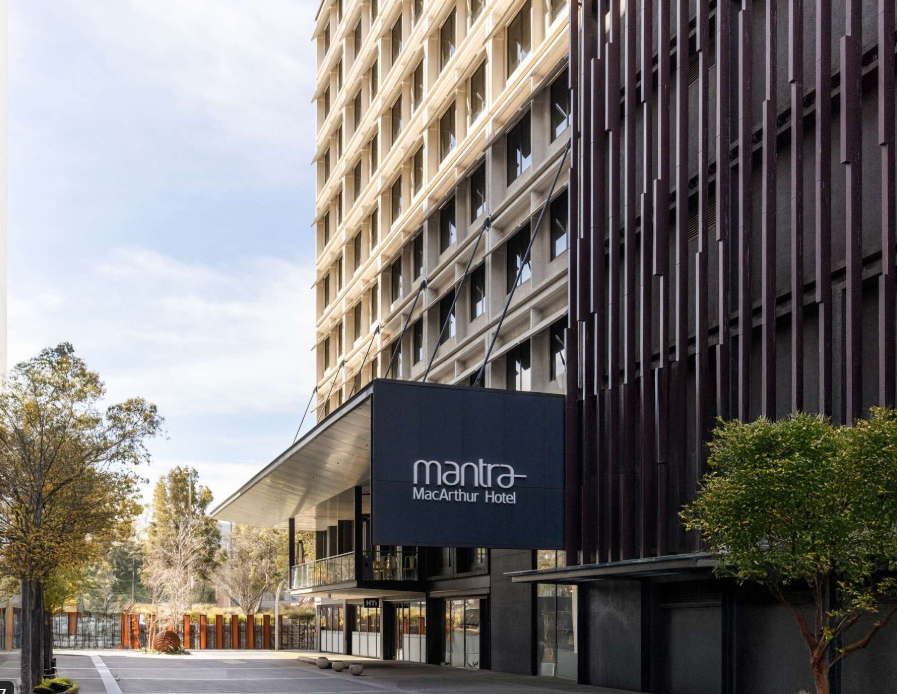
Exit recommends the Mantra Macarthur Hotel where we have secured a special 10% discount for Conference attendees. Please mention code ARGRP26 when booking. The hotel is a short, 10-minute walk to the conference venue. Or you are welcome to make your own arrangements.